Název ISBN Sklad
Samurai SLOV442 1
Author Language Publisher Pages Published Height Width
Rosina Buckland, Oleg Benesch EN British Museum Press 304 2026 27,50 cm 24,50 cm
Váha
2kg
1 590 Kč incl. VAT, NOTE: The price will change according to local VAT in EU countries
In stock
pcs

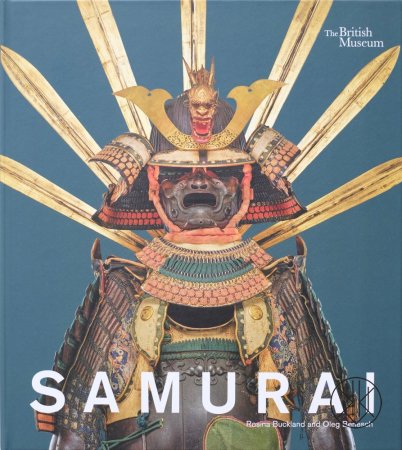
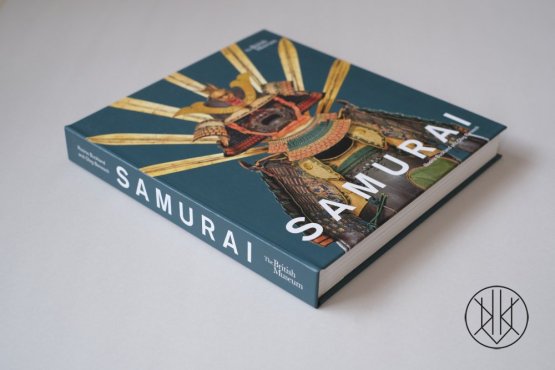
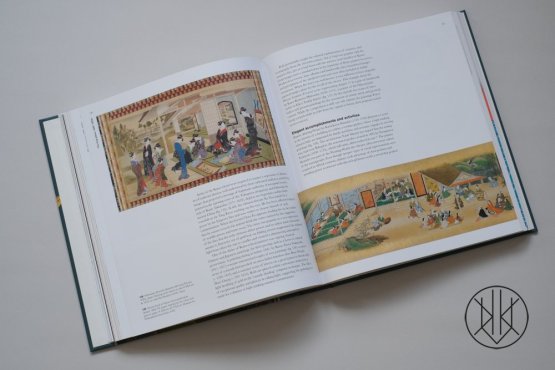
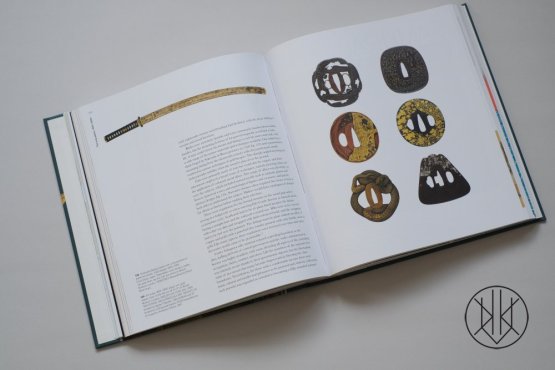
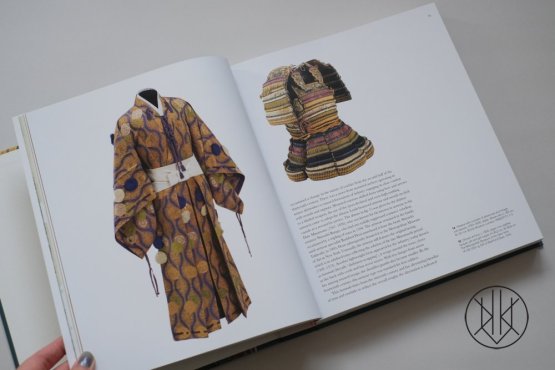
The word ‘samurai’ stands for ideals of courage, honour, self-sacrifice and loyalty. Yet much of the common understanding is imaginative fiction. This book explores the concept from medieval reality, through early modern changes, to today’s hugely varied popular culture, challenging preconceptions and exploding myths.

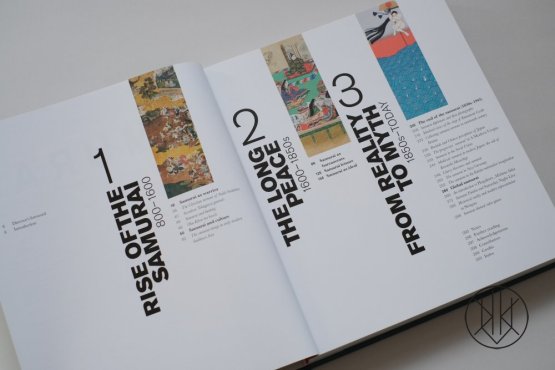
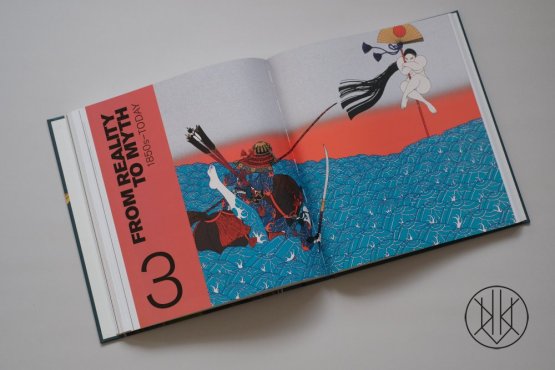
Published to accompany a major exhibition at the British Museum, this is the first book to explore the centuries-long trajectory of the samurai through objects from international collections. It discusses the historical origins of the samurai warrior class in the civil wars of the medieval period and examines the stories they told of their own achievements. From the early 1600s, with the establishment of peace, the samurai became an official class fulfilling a bureaucratic role. The ideal of the medieval warrior took on legendary status, leading to endless representations in popular culture of past examples of heroic valour. As the highest social class, samurai were consumers of deluxe products and their tastes set the standard for the rest of society. Political tensions intensified during the 1850s, culminating in civil war in 1868 and the abolition of the samurai social class in 1876. With the full opening of Japan to international visitors, the concept of the samurai was packaged for foreign tourists and repurposed to provide a model for the modern soldier in a period of military conflict and colonial expansion. 

Author Rosina Buckland, Oleg Benesch
Language EN
Publisher British Museum Press
Pages 304
Published 2026
Height 27,50 cm
Width 24,50 cm